
THE HISTORY
The Seattle Black Panther Party Interpretive Center honors the groundbreaking Seattle chapter—the first chapter of the Black Panther Party based outside of California, and the second overall chapter after the Los Angeles chapter. The Seattle chapter was founded in April 1968.
While attending the West Coast Conference of Black Student Unions following the assassination of MLK, students from Seattle found themselves mesmerized during the keynote speech that first night by Chairman Bobby Seale, co-founder of the Black Panther Party, who delivered a fiery speech just days after the murder of “Lil” Bobby Hutton, the first member to join the BPP and first panther to die, at the hands of the Oakland Police. After Bobby Seale's powerful delivery.
Seattle activists Aaron and Elmer Dixon, Anthony Ware aka ‘Frank Muhammad’, and others from Seattle made a beeline to Chairman Bobby Seale and emphatically stated that they wanted to start a chapter of the BPP in Seattle.
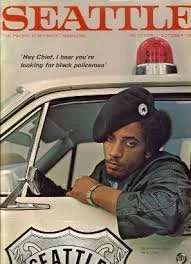
After attending “Lil” Bobby Hutton’s funeral, the group returned to Seattle. A week later, Chairman Bobby and Minister of Education George Murray, and Captain Demmings from the San Diego Chapter met with over 20 attendees, and Aaron Dixon was appointed as captain, and thus the Seattle Chapter was born. Bobby Seale and the other Panther officials left for the East Coast to launch the establishment of Black Panther Party chapters and branches across the country. The Black Panther Party's impact was immediate and powerful, not just for the young black youth but for Black communities across the country, and impacted a wide variety of communities with the party's broad coalition building with other radical organizations. Their signature uniform of black berets, powder blue shirts, black pants, and black leather jackets was worn throughout the country.
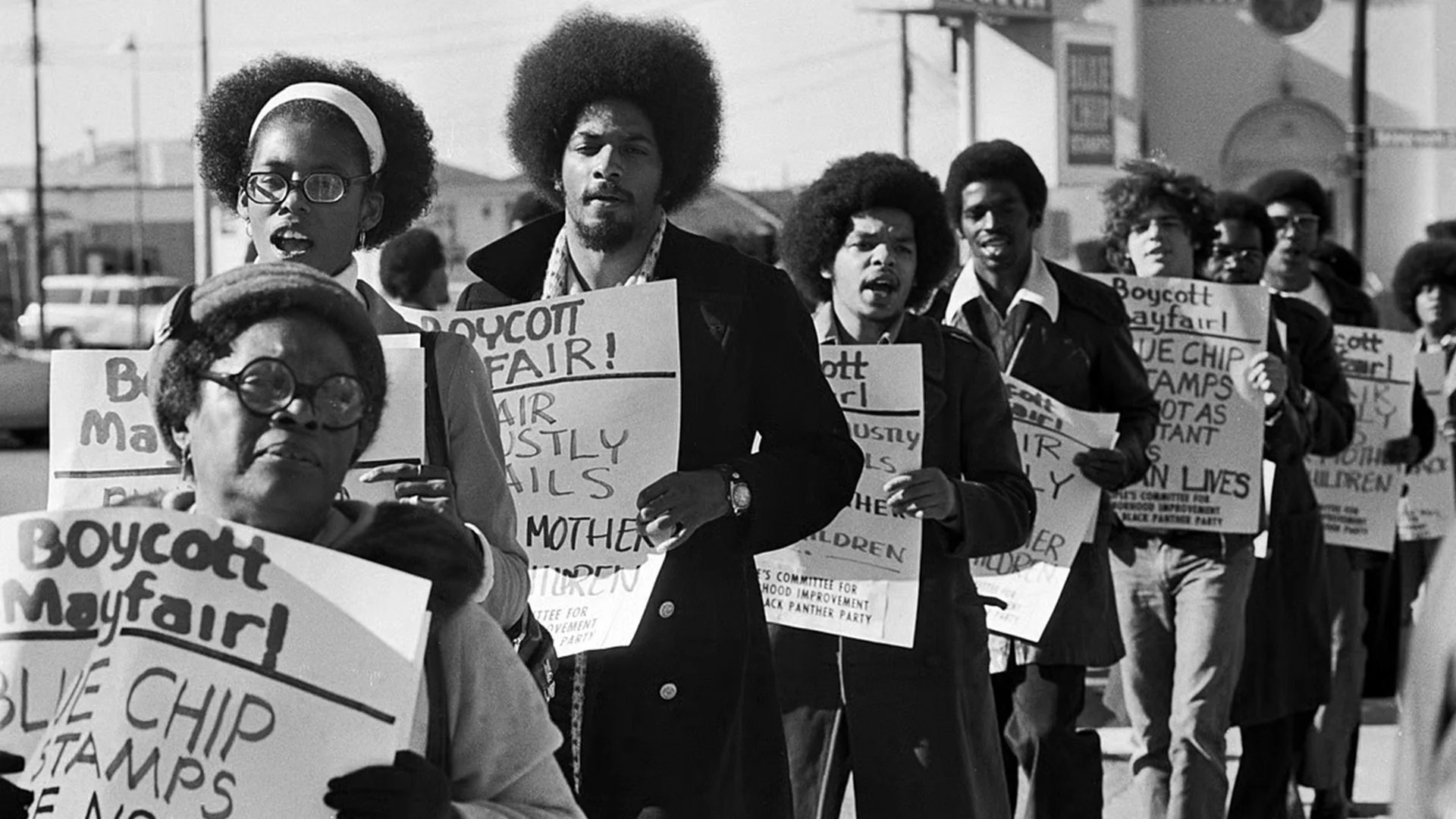
The Party’s strong community organizing, including the launch of its survival program, the Police Alert Patrols, was very effective. FBI leader J. Edgar Hoover launched an attack against the Party, and it was rubber-stamped by President Richard Nixon and Attorney General John Mitchell. They declared the Black Panther Party to be the greatest threat to the internal security of America.
Early members forged in the city’s Black Student Union networks and the streets of Seattle and across the Black community —included Bobby Harding, Louis “Lu-Jack” Jackson, Bobby White, Willie Brazier, Welton Armistead, Chester Northington, Kathy “Nafasi” Halley, Kathy Jones, Maud Allen, Mike Tagawa, Rashad “T” Birdsong, Henry Boyer, Mark Cook, Jake Fidler, Leonard Dawson Jr., Asali Dickson, Melvin Dickson, Gwen Dixon, Joyce Redmond, Trolis Flavors, Charles Toliver, Steve Phillips, Wayne Jenkins, Gary Owens, Ron Johnson, Michael Dixon, Sydney Miller, Vanetta Molson, Leathia Stallworth, and many others.
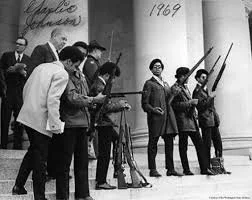
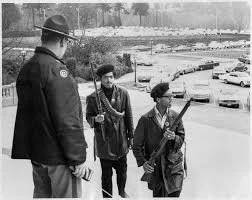
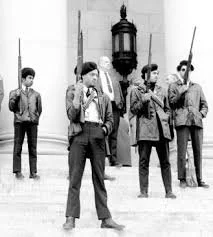
These men and women organized a series of what were called ‘Survival Programs (Pending Revolution)” such as the Police Alert Patrol, the first Children’s Free Breakfast Programs and launched a community-based Free Medical Clinic along with many other survival programs like Free Legal Aid, Free Food Program, Free Bussing to Prisons, and The Summer Liberation School and the dramatic Olympia armed protest in 1969 to resist oppressive gun laws that were aimed at keeping Panthers from legally carrying their firearms in the open.
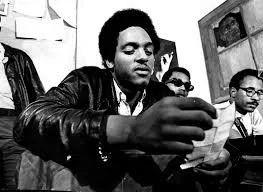
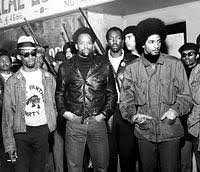
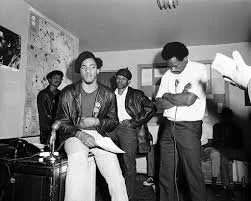
July 30, 1968: Elmer Dixon, left, Art Palmer and E. J. Briskerhe speak at a Black Panther press conference. (Greg Gilbert / The Seattle Times, 1968)

First Seattle Black Panther Party headquarters, 1127 34th Ave, 1968 | Courtesy University of Washington
WHY THEIR LEGACY MATTERS?
RADICAL CARE WORK
The Carolyn Downs Family Medical Center, originally named after fallen comrade Sydney Miller, and later named after Panther member Carolyn Downs, continues as the only remaining original Black Panther Free Medical in the country and one of the longest-standing free community clinics in Seattle since 1970, extending healing across generations.
BOLD CIVIC WITNESS
In February 1969, Elmer Dixon and his lieutenants stood on the steps of the Washington State Capitol holding shotguns while Captain Aaron Dixon delivered a stern message to the legislature about the importance of defending the Black community against racist and brutal attacks by, forcing legislators to hear their message—demonstrating strategy, discipline, and moral clarity.
LONGEVITY aND LOCAL OWNERSHIP
After national leadership migrated to Oakland, Elmer Dixon reorganized the chapter after returning from serving time as a political prisoner, sustaining community programs and intellectual legacy in Seattle, separating from Central Black Panther Party headquarters in 1976, and continuing operations into the early 1980s. The Seattle Panther cadre became one of the nation’s longest-running, lasting until 1982.
INFLUENCE oN FUTURE JUSTICE MOVEMENTS
Veterans like Garry Owens, Rashad T. Birdsong, Aaron Dixon, Elmer Dixon, Ron Johnson, and Michael Dixon, among others, channeled Panther organizing into civic service, mentoring youth, and shaping funding programs that uplift disinvested neighborhoods. Meanwhile, leaders like Larry Gossett moved into local and state politics to continue transforming systems.