
SUMMER HOURS FRI-SUN 11AM-4PM
THE INTERPRETIVE CENTER
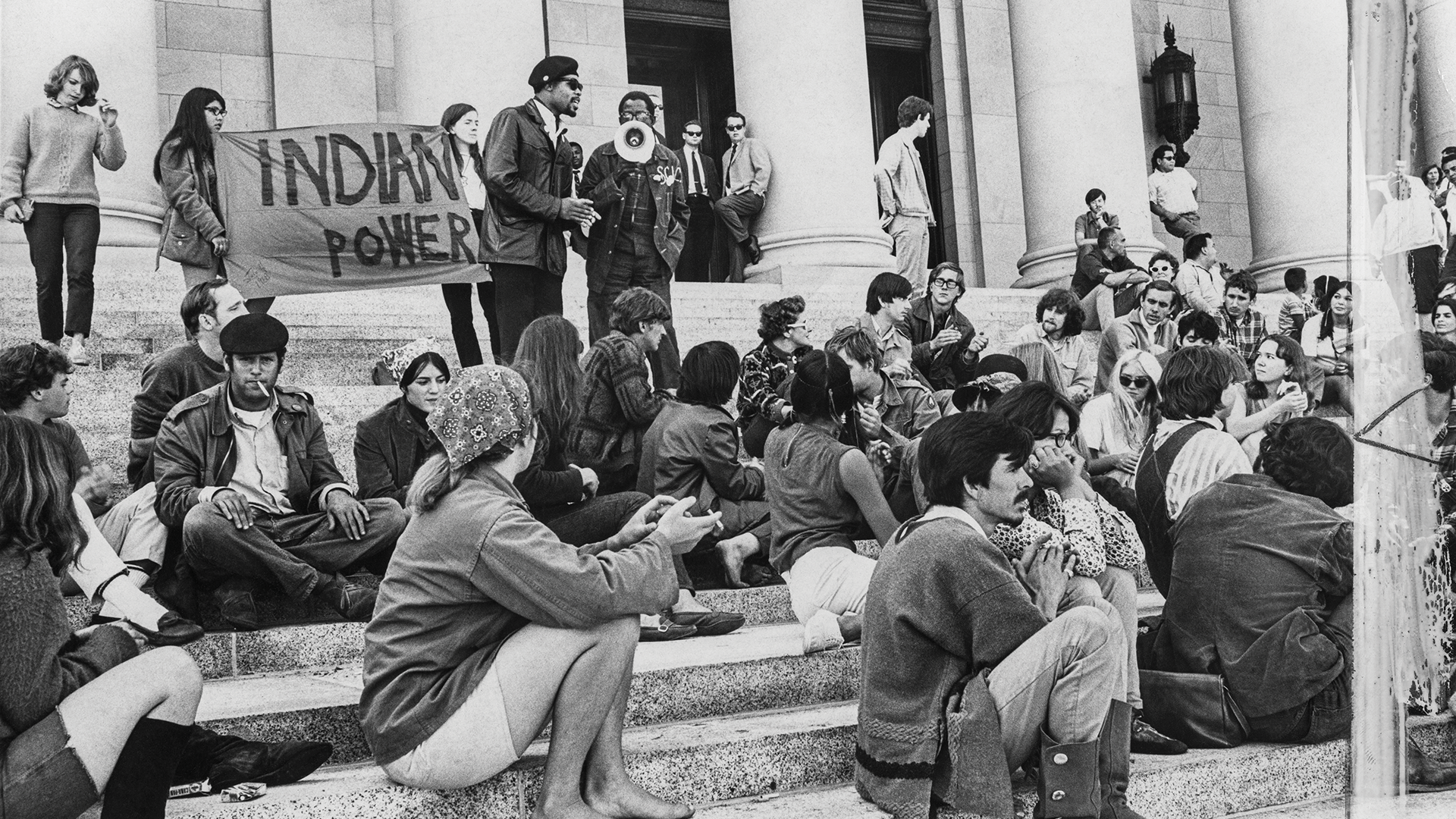
Rooted in the legacy of the first Black Panther Party chapter established outside California, the Seattle Black Panther Party Interpretive Center exists to preserve, interpret, and activate the history of the Party’s revolutionary work.
The Center serves as both a living archive and a community space for education, dialogue, and organizing. Through exhibitions, oral histories, public programs, and research initiatives, we illuminate how local members advanced national movements for justice and self-determination.
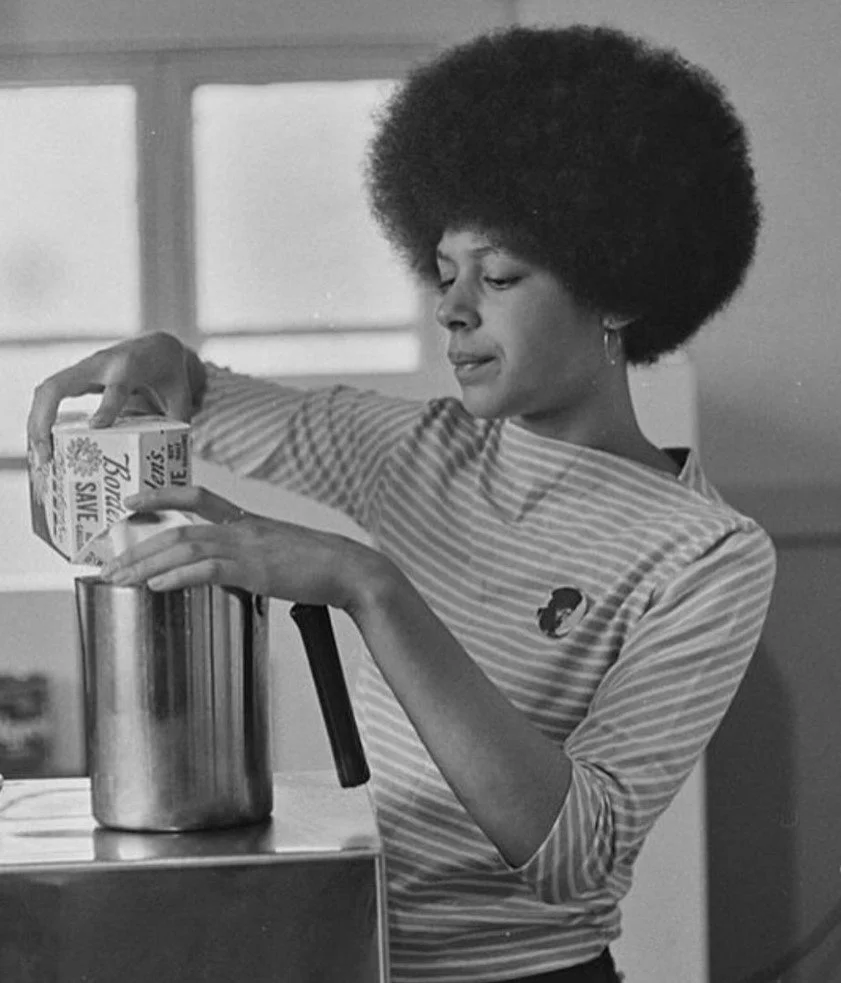
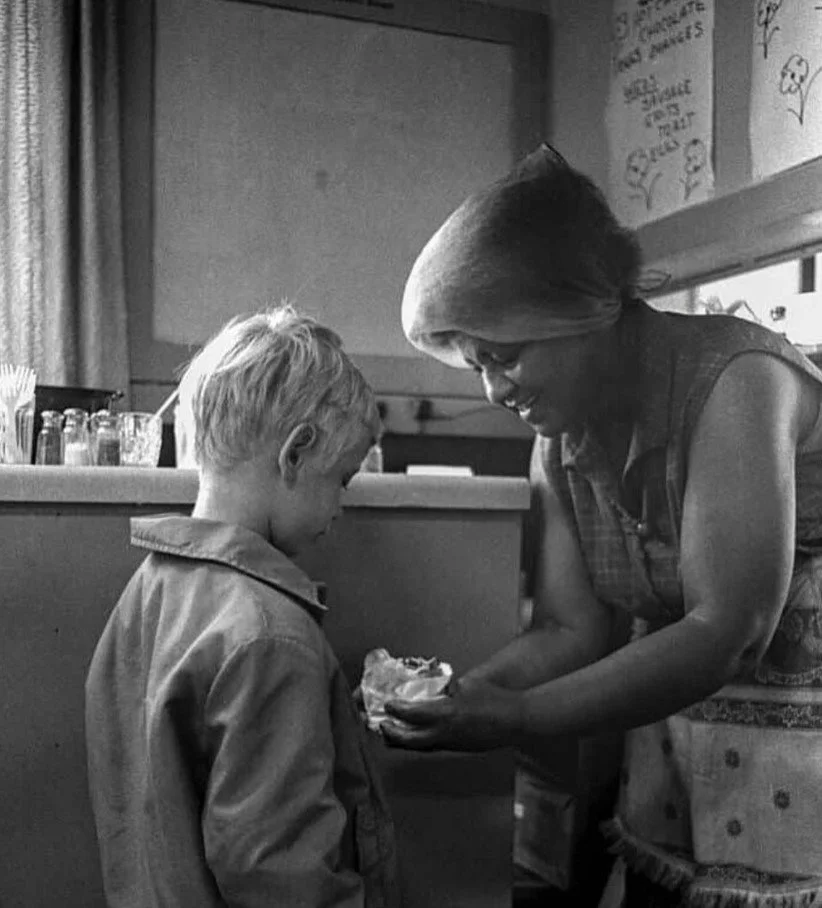
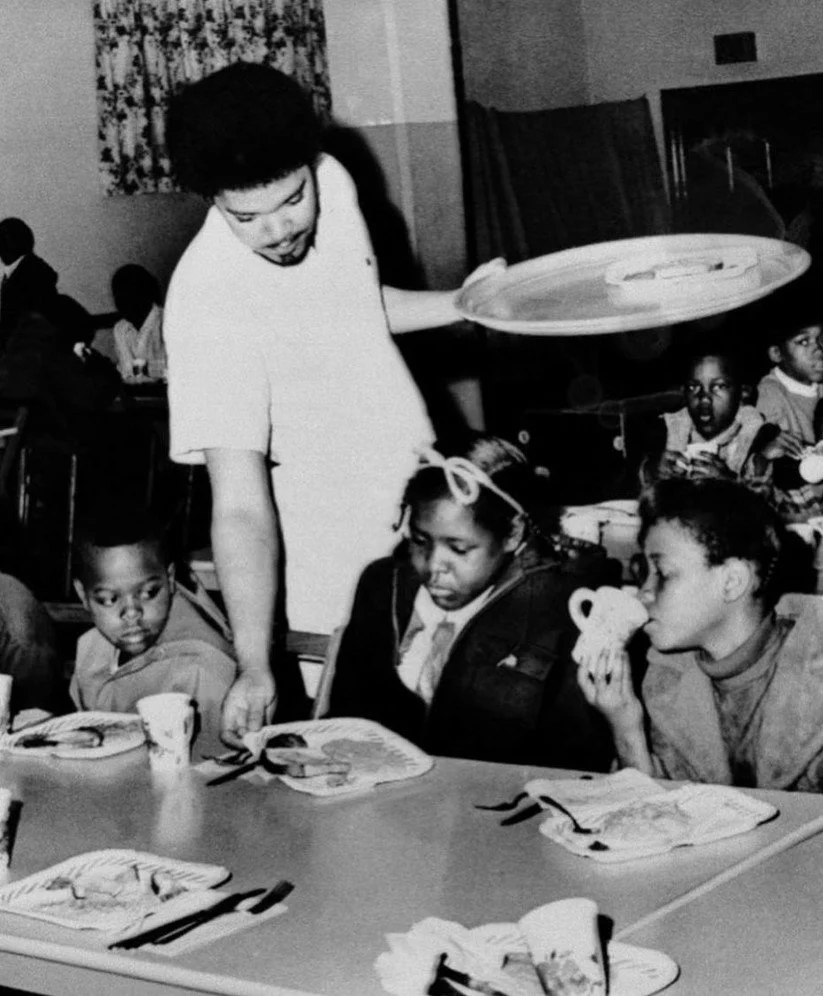
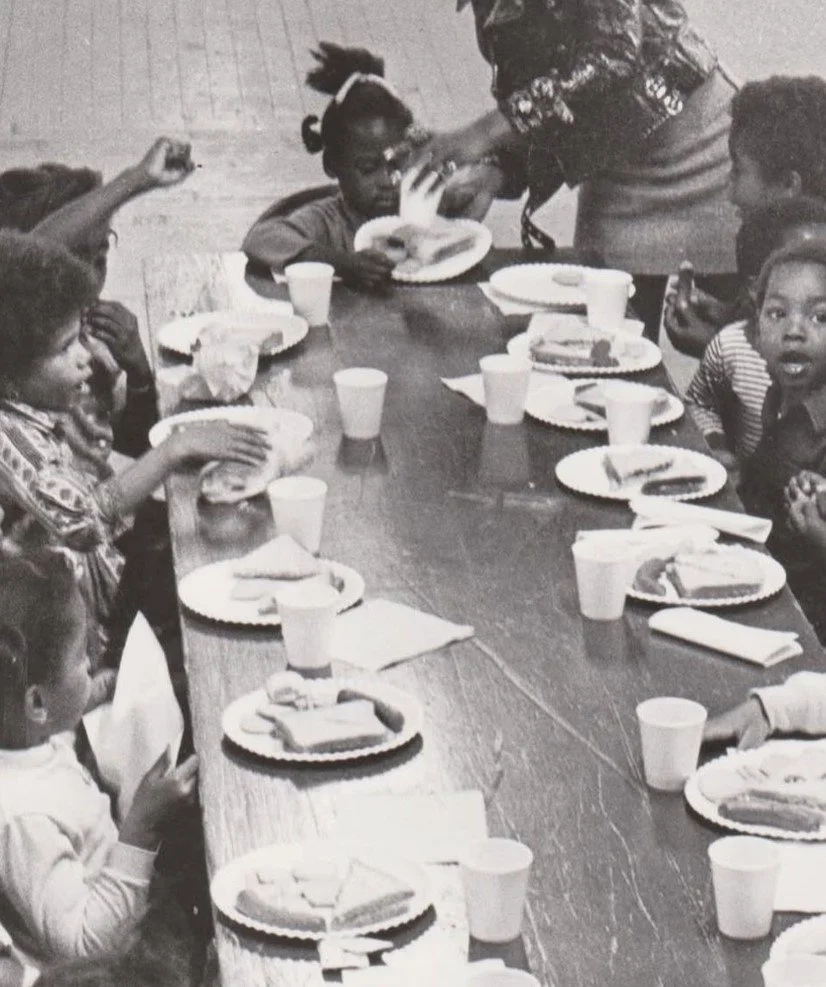
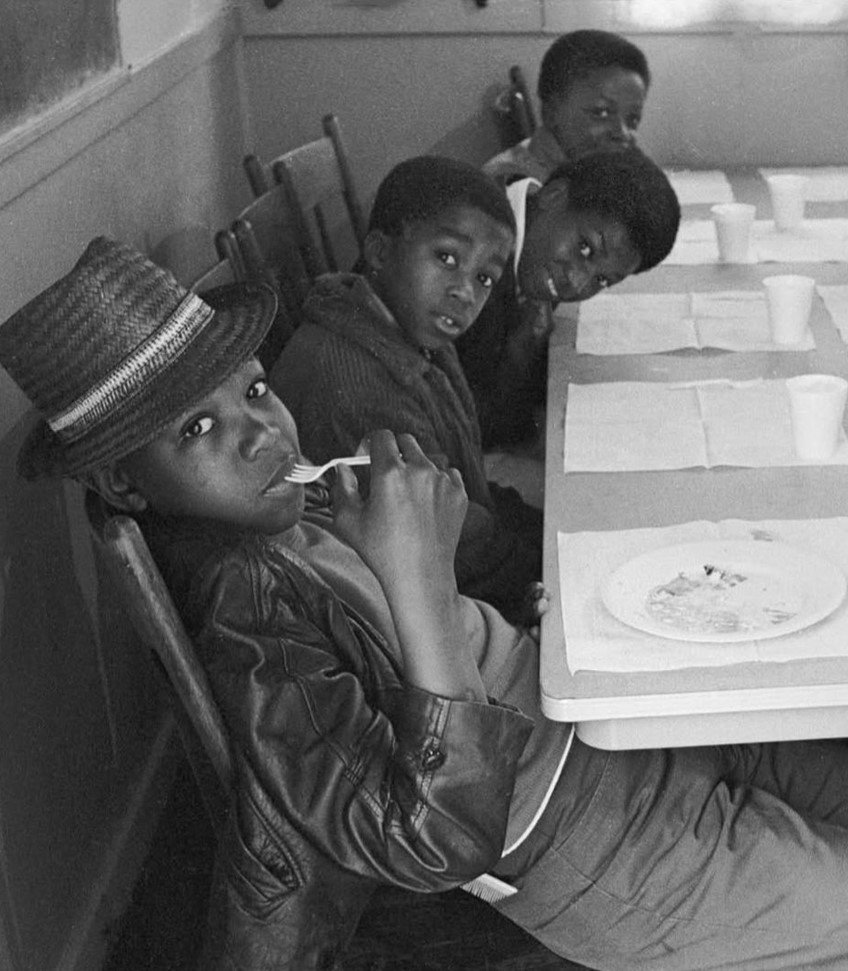
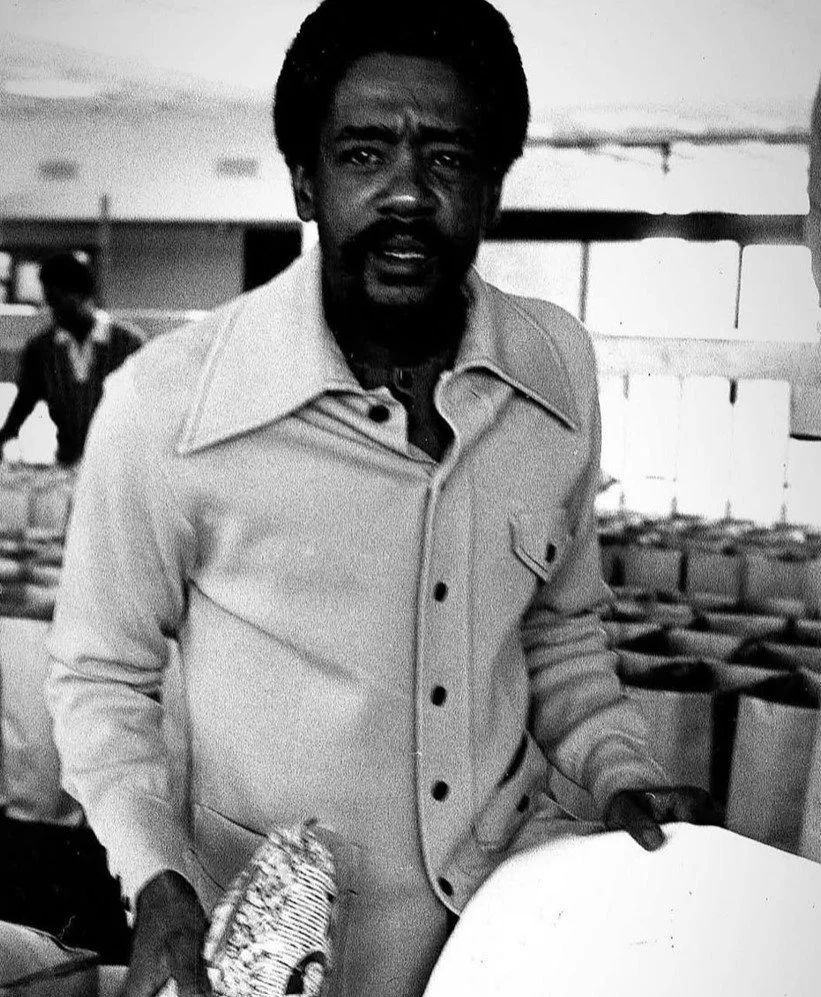
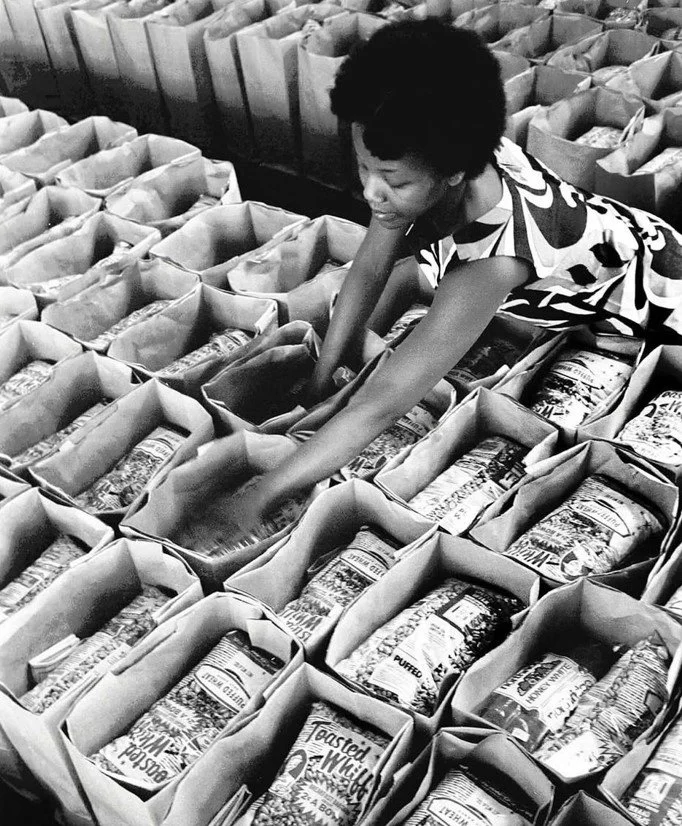
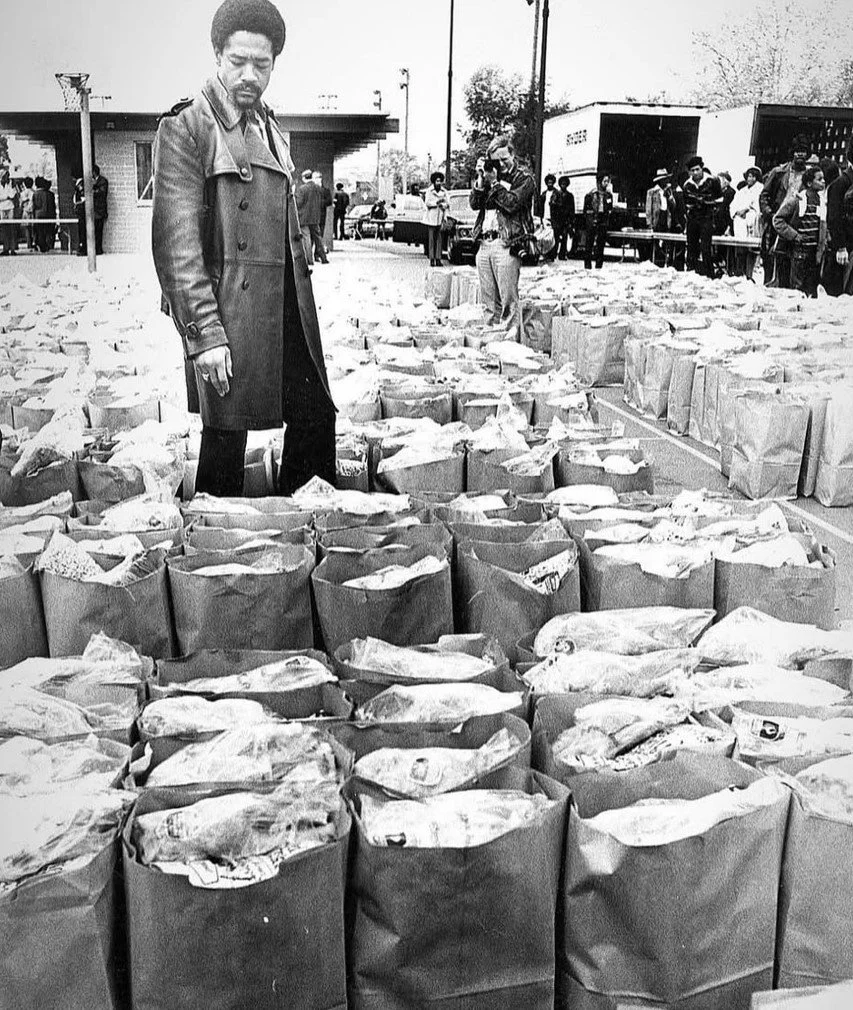
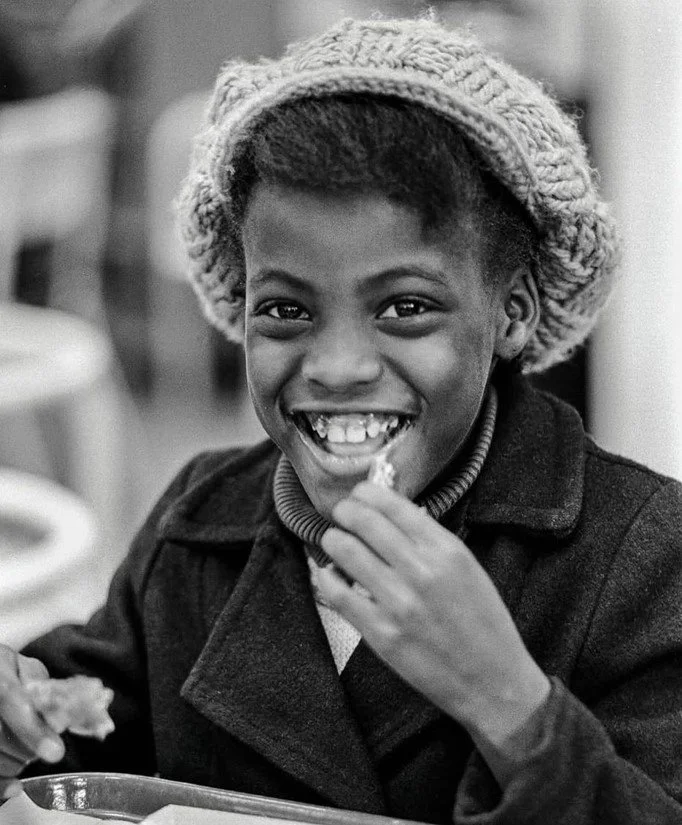
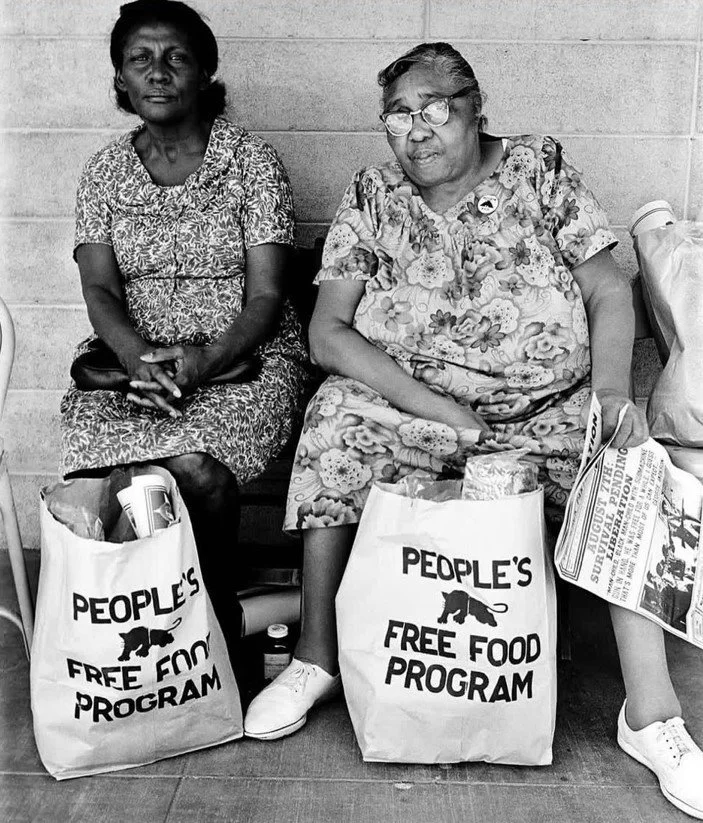
From the Children’s Free Breakfast Program to the Carolyn Downs Family Medical Center—still serving families today—the Panthers created tangible systems of care: sickle cell testing, free transportation to prisons, pest control, food distribution, clothing drives, and legal aid. These were not acts of charity, but models of collective power and self-sufficiency.
At the Interpretive Center, we honor this spirit by connecting past struggles to present movements—empowering new generations to study, remember, and build.
Join us to learn, reflect, and take your place in the ongoing story of liberation.
MISSION
The Seattle Chapter Black Panther Party Legacy Group preserves the legacy of The Black Panther Party through education and programs that present the 10-point program of the original Black Panther Party to inspire a new generation of freedom fighters and community leaders.
VISION
Liberation for all oppressed people. Power to the people!
ABOUT THE CHAPTER
FOUNDING AND VISION
In April 1968, Seattle activists—led by student organizers, the Dixon brothers, and a cohort of committed community organizers—launched the first authorized Black Panther Chapter outside California. Their vision: to stand up for freedom and lead the community in making a stand against racist brutality, seize control of their lives and resources, and ignite a “broad-based struggle for liberation”.
REGIONAL IMPACT
The Seattle Chapter was also designated as the Washington State Chapter, forming branches in Portland and Eugene, Oregon, Tacoma, Washington, and under the leadership of Clemon Blanchy and Mark Cook, a Chapter inside Walla Walla State Prison, which would become the precursor to the “Black Prisoners Caucus.”
COMMUNITY SERVICE LEGACY
They launched pioneering programs called “Community Survival Programs - Survival Pending Revolution”: free breakfasts for children, free food program, free senior assistance and legal aid, free bussing to prisons, sickle cell anemia testing and liberation schools, and one of the first free medical clinics in the Northwest that provided care regardless of ability to pay—now known as the Carolyn Downs Family Medical Center.
STRATEGIC RESISTANCE
In 1968, Captain Aaron Dixon led a squad of armed Panthers to Rainier Beach High School to protect Black and Asian students who were under attack by violent, knife-wielding white students, as the school administration silently stood by.
In 1968, the Black Panther Party organized the Police Alert Patrol, the first Black Panther Party Survival Program, to defend the Black Community against police brutality and the murder of unarmed, innocent Black people.
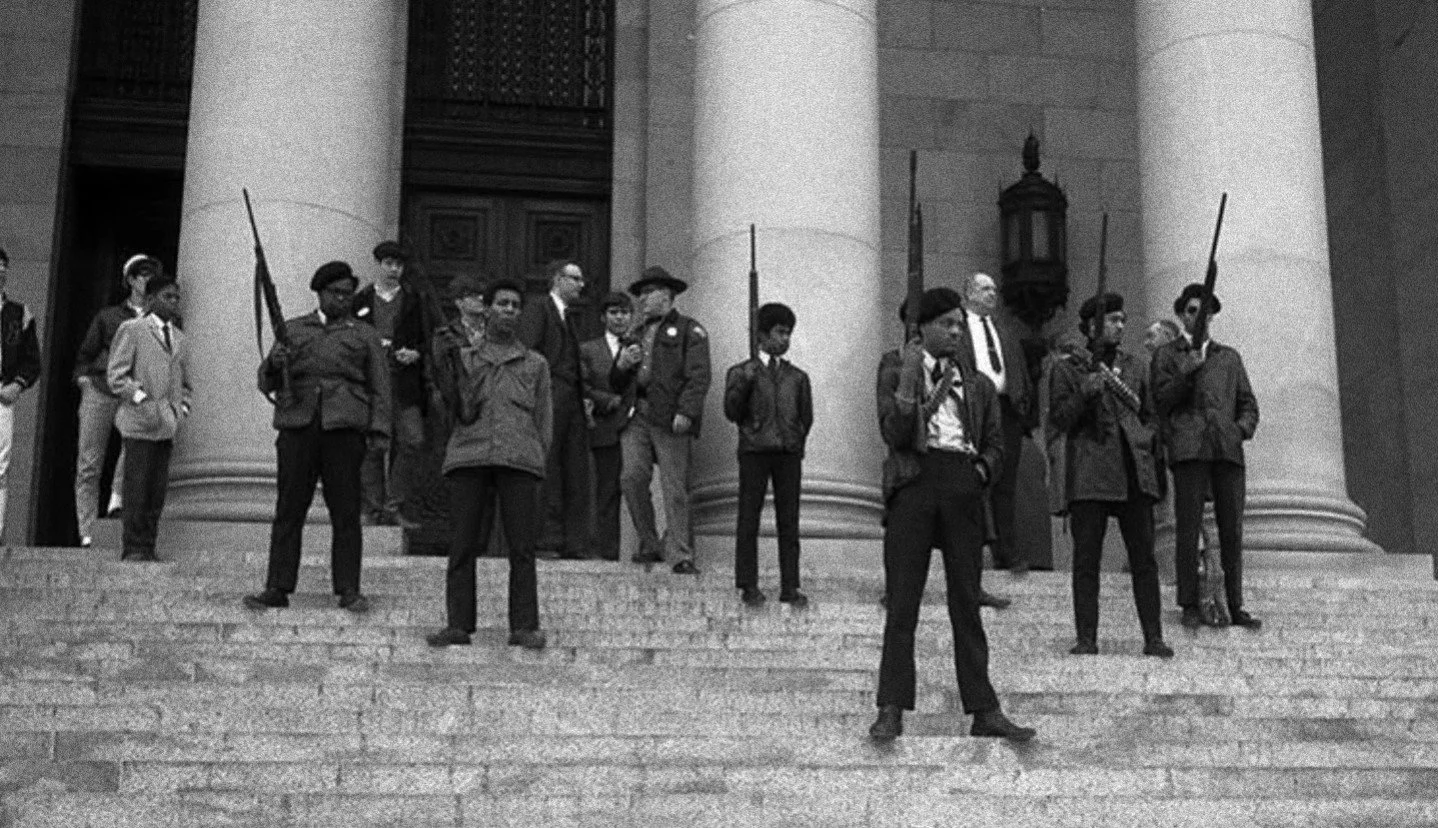
In 1969, armed with shotguns, Panther members descended upon the Washington State Capitol in Olympia to oppose the passing of gun legislation aimed at taking guns out of the hands of the defenders of the Community. A similar tactic by the state was employed against the party in Oakland, California.
SUSTAINABLE STEWARDSHIP
Following a series of disagreements with leadership in Central Headquarters and, at an impasse with Party leaders in 1976, Elmer Dixon and other local Panthers decided to take over operations of the Seattle Chapter. They continued the mission of the Black Panther Party in principle. Sustaining and extending community survival programs while repurposing the Free Medical Clinic into a Family Medical Center. Shaping civic infrastructure, they continued the struggle until 1982, the longest cadre of Panthers actively fighting oppression in the country.
ENDURING IMPACT
Seattle Panthers have transitioned from resistance to restructuring, influencing racial justice movements, policy, and community development throughout the Pacific Northwest and beyond. This legacy is exemplified by comrades such as Aaron Dixon, who dedicated 25 years to working with at-risk youth alongside Panthers Gary Owens, Ron Johnson, and Valentine Hobbs. Elmer Dixon led the restructuring of a Boys and Girls Club in Tacoma recapturing millions of diverted dollars originally intended for the Black Community. He served as the Equal Employment Opportunity Officer for a large city department protecting women against sexual harassment, followed by an appointment to the Mayors Cabinet and ultimately becoming a principle of a Diversity Equity and Inclusion company. For the next 38 years, he ensured equity and inclusion for people in companies across the nation and around the world. Other notable contributions include Garry Owens’ youth mentorship programs, Tyrone T. Birdsong’s community-building initiatives, and ally Larry Gossett’s public governance.
10 POINT PROGRAM
1. We Want Freedom. We Want Power to Determine the Destiny of Our Black Community.
2. We Want Full Employment for Our People.
3. We Want An End to the Robbery By the Capitalists of Our Black Community.
4. We Want Decent Housing Fit For the Shelter of Human Beings.
5. We Want Education for Our People That Exposes The True Nature Of This Decadent American Society. We Want Education That Teaches Us Our True History and Our Role in the Present-Day Society.
6. We Want All Black Men To Be Exempt From Military Service.
7. We Want An Immediate End to Police Brutality and the Murder of Black People.
8. We Want Freedom For All Black Men Held in Federal, State, County, and City Prisons and Jails.
9. We Want All Black People, When Brought to Trial, To Be Tried In Court By A Jury Of Their Peer Group Or People From Their Black Communities, As Defined By the Constitution of the United States.
10. We Want Land, Bread, Housing, Education, Clothing, Justice, and Peace.